
How to Choose the Right Cleanser and Toner for Your Skin Type
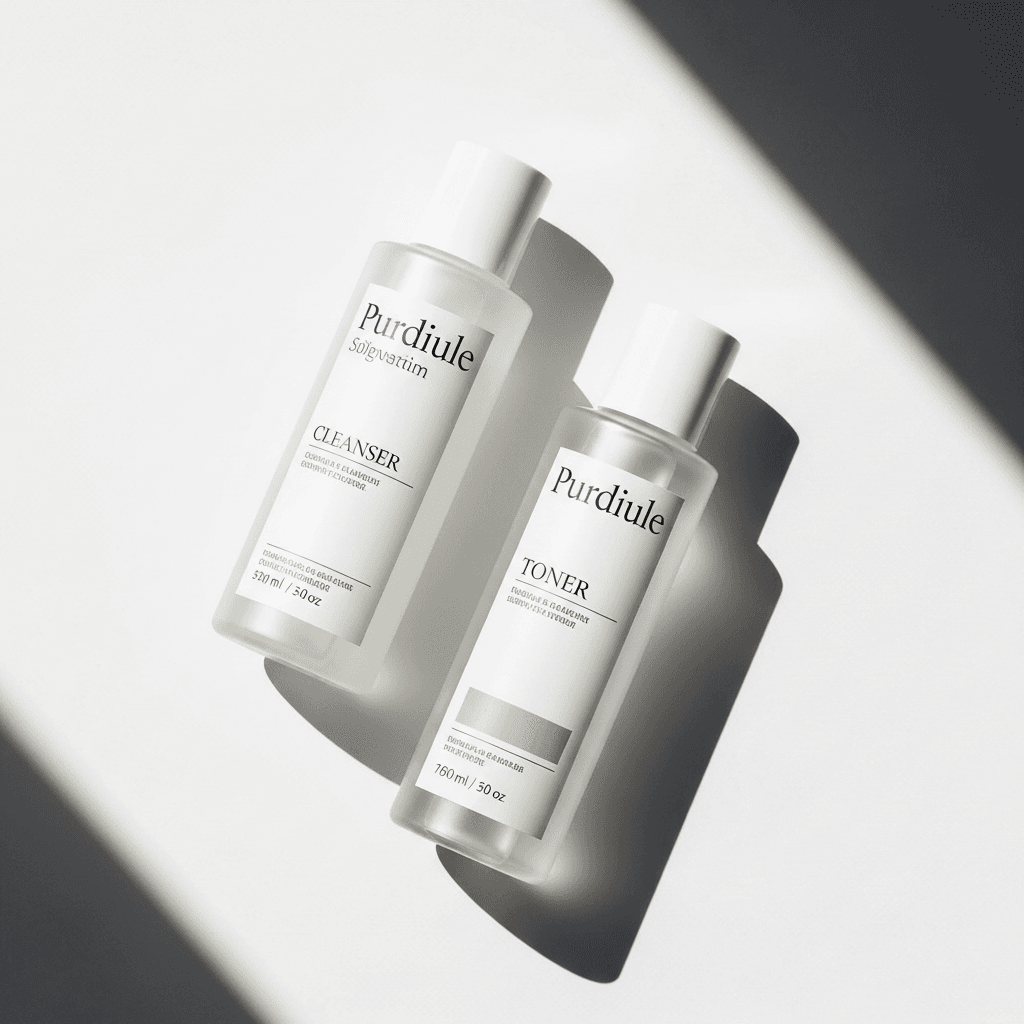
Walking down the skincare aisle can feel like a pop quiz you didn't study for. Gels, foams, creams, oils—all screaming promises from their pastel-colored tubes. For years, I was a failing student. I have combination-to-oily skin, and my logic was simple: oil is the enemy, so I must destroy it with the strongest, foamiest cleanser I can find.
My Big Mistake: Chasing the "Squeaky Clean" Feeling
Let me share a story. In my early twenties, I was convinced my breakouts were because my skin wasn't "clean enough." I bought a popular charcoal foam cleanser known for its intense cleaning power. Every wash, my skin felt tight, dry, and squeaky clean. I genuinely thought, "Great, it's working! All the oil is gone."
But a few weeks later, my skin was angrier than ever. It was producing moreoil to compensate, my cheeks were getting red and sensitive, and even my moisturizer started to sting. I was destroying my skin's acid mantle—its natural protective barrier—and I didn't even know it. My dermatologist later confirmed it: my cleanser was far too harsh. That was my lightbulb moment. The goal of cleansing isn't to strip your skin of everything; it's to gently remove impurities while respecting its natural balance.
Why Trust Me? The Science of a Truly Good Cleanse
My frustrating experience sent me down a research rabbit hole. A healthy skin barrier is everything, and it all starts with your cleanser. I learned that the two most important factors are pH balanceand the type of surfactantsused.
pH Balance:Healthy skin has a slightly acidic pH of around 5.5. Many foaming cleansers have a high, alkaline pH (8-10), which disrupts this acid mantle, leaving your skin vulnerable to irritation and bacteria. Look for cleansers labeled "pH-balanced."
Surfactants:These are the ingredients that actually do the cleaning. Harsh sulfates (like Sodium Lauryl Sulfate) are very effective but strip natural oils. Gentle surfactants (like Cocamidopropyl Betaine or amino acid-based ones) cleanse effectively without causing that dreaded tight feeling.
This isn't about finding a fancy cleanser; it's about finding one that works withyour skin, not against it.
Step 1: Choose Your Cleanser Based on Your Skin's Needs
Now that we understand the science, let's apply it. Your skin type is your best guide.
Step 2: Do You ReallyNeed a Toner?
Let's clear this up: the old-school, alcohol-based toners that stung your face are dead. Modern toners are completely different. I don't see them as an essential step for everyone, but for me, the right toner is a non-negotiable step for hydration.
Think of toners as liquid hydrators that prep your skin for what's next. A damp face is more permeable than a dry one, so applying a toner right after cleansing helps your expensive serums absorb more effectively.
Look for:Hydrating humectants like Hyaluronic Acid, Glycerin, Beta-Glucan, or soothing ingredients like Centella Asiatica.
Avoid:Toners where "Alcohol Denat." is one of the first few ingredients.
Products on My Personal Shelf (And Why I Trust Them)
These are the products I've personally vetted and keep coming back to. They respect the skin barrier and deliver real results.
For Oily/Combination Skin (My Daily Go-To): Youth to the People Superfood Cleanser
My Experience:This is the pH-balanced gel cleanser I wish I had in my twenties. It gives a satisfying, deep clean after a long day without ever leaving my skin feeling tight. It just feels balanced. I use it as my second cleanse in the evening.
Price Point:
For Dry/Sensitive Skin (My "My Skin is Freaking Out" Rescue): La Roche-Posay Toleriane Hydrating Gentle Cleanser
My Experience:This is my comfort blanket in a bottle. When my barrier feels compromised from testing a new active or from winter dryness, I switch exclusively to this. It’s a creamy, non-foaming formula with Ceramidesand Niacinamidethat cleanses while soothing. It feels like you're washing your face with a lightweight lotion.
Price Point:$
My Favorite Universal Toner: Laneige Cream Skin Cerapeptide™ Toner & Moisturizer
My Experience:This milky toner is a game-changer for hydration. It has the richness of a cream but the texture of a water. I pour a little into my palms and press it into my damp skin after cleansing. It instantly plumps and soothes, and I find I need less moisturizer afterward. It's suitable for all skin types looking for a serious hydration boost.
Price Point:
Frequently Asked Questions (FAQ)
How do I reallyknow if my cleanser is too harsh? Trust the feeling. After cleansing and patting your face dry, wait a minute. Does your skin feel tight, like it's being pulled? Does it look shiny but feel dry? That's the telltale sign of a stripped acid mantle. A good cleanser should leave your skin feeling soft, calm, and comfortable—nothing more, nothing less.
You mentioned a "second cleanse." Am I supposed to be double cleansing? I’m a huge believer in the double cleanse method, especially at night. It involves first using an oil-based cleanser or balm to dissolve makeup, sunscreen, and sebum. Then, you follow up with a water-based cleanser (like the ones I mentioned) to wash everything away. If you wear sunscreen or makeup, I personally find it's the only way to get my skin truly clean without harsh scrubbing.
Final Thoughts
Your cleanser and toner aren't just afterthought steps; they are the foundation upon which your entire routine is built. By choosing formulas that support your skin's natural barrier instead of stripping it, you're creating a healthy, resilient canvas. It was the most important change I ever made in my skincare journey, and I hope it can be for you, too.