
Fungal Acne vs. Regular Acne: How to Identify and Treat It
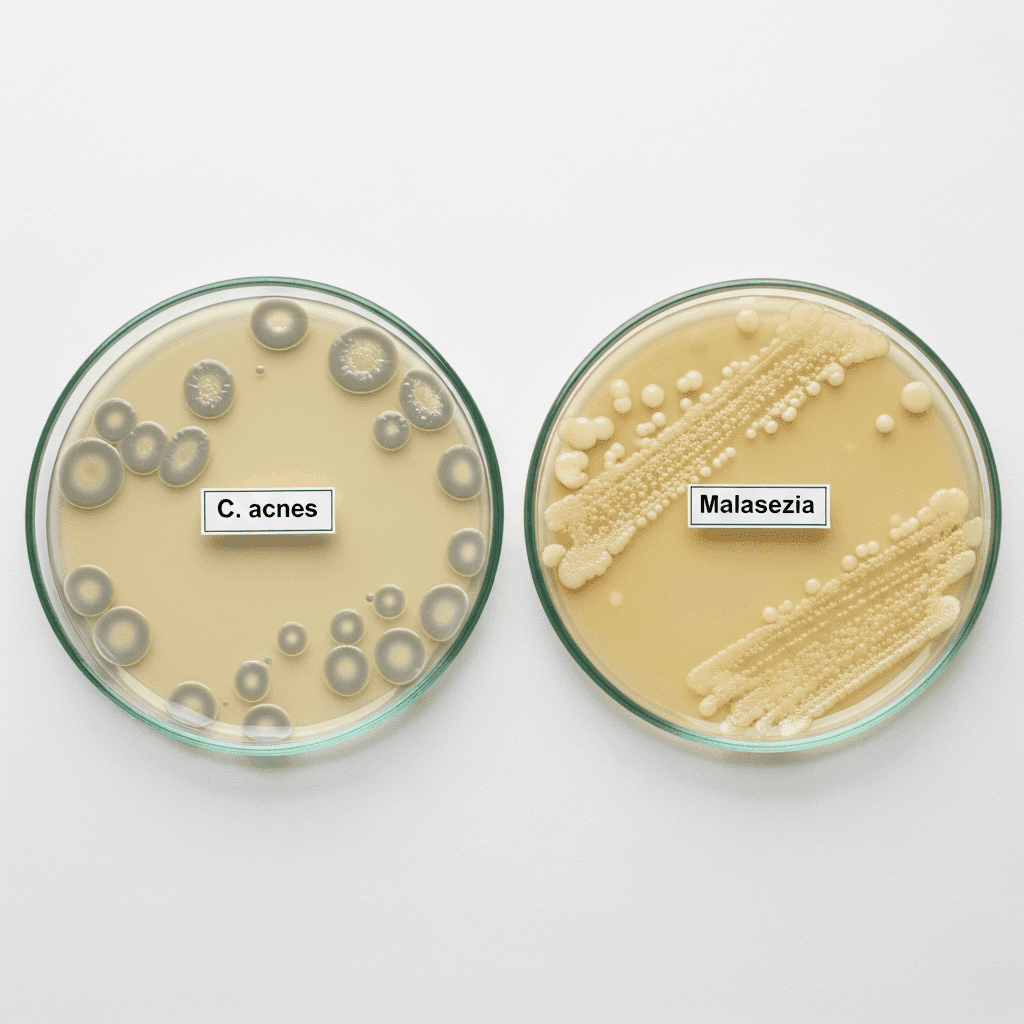
I want to tell you about one of the most frustrating periods in my skincare journey. My routine was solid, my skin was generally behaving, but I had this persistent, infuriating problem: a perpetual smattering of small, skin-colored bumps all over my forehead. They weren't big, angry pimples, but they ruined my skin's texture, and worst of all, they were often incredibly itchy, especially after a workout.
Naturally, I treated it like regular acne. I threw my entire arsenal at it. I used my Salicylic Acidtoner, thinking I could unclog the pores. Nothing. I tried Benzoyl Peroxide, thinking I could kill the bacteria. Nothing. I was consistent with my Retinoid, hoping to speed up cell turnover. Still nothing. I was at a complete loss. Why were these "pimples" immune to every gold-standard acne ingredient I was using?
My "Aha!" Moment: It's Not a Clog, It's an Overgrowth
The breakthrough came late one night while scrolling through a dermatology forum. Someone posted a photo of a forehead that looked exactlylike mine and described the same frustrating itchiness. The top comment said, "That looks like Malassezia folliculitis, not acne." I had never heard the term.
I dove into the research and my mind was blown. Malassezia folliculitis, or "fungal acne," isn't acne at all. It's an inflammation of the hair follicle caused by an overgrowth of a yeast (Malassezia) that naturally lives on our skin. The traditional acne treatments I was using were not only ineffective, they could actually make it worseby killing off the good bacteria that help keep this yeast in check. I realized I wasn't fighting the wrong battle; I was in the wrong war entirely.
Why Trust This Guide? I Solved My Own Stubborn Skin Mystery
This guide is the product of that frustrating journey and eventual discovery. I’m sharing this because I know how disheartening it is to do everything "right" and see no results. This is the practical, science-backed information that allowed me to correctly diagnose my own skin and finally, finallyclear my forehead.
My Diagnostic Checklist: Fungal Acne vs. Regular Acne
How I Treated It (My Unlikely Savior: Dandruff Shampoo)
Here's the wild part: the solution wasn't in the skincare aisle; it was in the hair care aisle. Because the culprit is a fungus (yeast), you have to treat it with antifungalingredients.
The most effective and widely recommended ingredients are the ones found in anti-dandruff shampoos.
Ketoconazole(found in Nizoral)
Pyrithione Zinc(found in Head & Shoulders and specialized cleansing bars)
Selenium Sulfide(found in Selsun Blue)
My "Shampoo Hack" That Cleared My Forehead: This is the simple, incredibly effective method I used:
In the shower, I'd apply a small, pea-sized amount of Nizoral shampooto my damp forehead.
I would let it sit like a mask for 3-5 minuteswhile I washed the rest of my body. This contact time is crucial for the antifungal to work.
I would then rinse it off thoroughly.
I did this about 3 times a week. The itching stopped within days, and the bumps were visibly reduced in under two weeks.
My Fungal Acne-Safe Arsenal
The Powerful Treatment: Nizoral Anti-Dandruff Shampoo
My Experience:This was my heavy hitter. It contains 1% Ketoconazole and is incredibly effective at getting an active flare-up under control. A single bottle has lasted me for years because you only need a tiny amount.
The Gentle Daily Cleanser: Vanicream Z-Bar (Pyrithione Zinc)
My Experience:After I got my initial flare-up under control, I wanted a gentler option for maintenance. This cleansing bar contains 2% pyrithione zinc but is formulated for sensitive skin. It's a fantastic, non-irritating way to keep the yeast in check on my face and chest, especially after a workout.
Frequently Asked Questions (FAQ)
What skincare ingredients should I avoid if I have fungal acne? This is a complex topic, but the simple answer is that the Malasseziayeast loves to feed on certain types of oils and fatty acids. When I was actively treating my flare-up, I avoided most oils and made sure my moisturizer was very simple and lightweight. There are websites that let you paste an ingredient list to check if it's "fungal acne safe," which can be a helpful tool.
How long did it reallytake to clear up? For me, the results were shockingly fast after months of failure with other products. The itching was gone in about two days. The bumps started to flatten and shrink within the first week, and my forehead was almost completely clear in about two and a half weeks of using the Nizoral mask method.
Final Thoughts
If you've been fighting a losing battle against what you thought was "stubborn acne," I truly hope this guide feels like a lightbulb moment for you, just as it was for me. It's a powerful reminder that the first step to solving a problem is correctly identifying it. By switching your focus from antibacterial to antifungal treatments, you might finally have the key to unlocking the clear, smooth skin you deserve.